
New to OSRS? Well, Farming is going to be a challenging skill for you to train with several arising questions like, “how do I start training”, “why do my crops keep dying”, etc. But hey, it’s quite a common problem that we’re here to resolve.

To understand the mechanics, you need to first dive deep into the process and different types of Farming patches across the game. That’s why we’ve decided to break down sections and create a guide to ease your pain.
So, what is Farming?

Farming allows you to grow plants in various patches and harvest them for rewards. There are thousands of varieties you can choose from, and they’re categorized into 8 different types: flowers, herbs, bushes, trees, hops, fruit trees, allotments, and special crops.
Each category has a specialized patch to farm, and only the designated seed of the category can be planted there. However, there’s an exception for flowers because they can be grown anywhere.
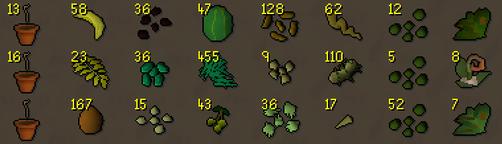
Besides that, every seed has a unique requirement to grow. For instance, you need to combine tree seeds with tree pots to create saplings before you can plant them. You need 3 Allotment seeds to plant a single plant. Some crops even get diseased, which need to be cured using a special potion or magic spell.
Things to consider

Before you begin Farming, you need to consider the duration of the crop’s growth cycle, and even the time you’re willing to spend on each one. It’s worth noting that plants don’t die once they’re fully grown, which means you can come back after weeks or months to harvest them.
Players often do crop runs to train their Farming more passively while considering their income. You can always do these runs every once a week or two to bring the most out of the crops that take a long time to grow. If you play several hours a day, you can consider increasing the number of runs, but with crops growing in a shorter timeframe.

You may also want to consider your mobility. Being an old player, you may have access to teleports, fairy rings, achievement diaries, etc., which can help make things easier. Anyhow, once you’ve picked what crops you’re going to grow, you’ll wonder “what now?”.
Well, you need to head out to seed-specific farming patches across the game to start growing your crops. We have prepared a list for you.

You can find herb allotment patches South of Falador, Catherby, North of Ardougne, West of Port Phasmatys, Great Kourend, Harmany Island, and Troll Stronghold.

You can find hop patches near Lumbridge Chicken & Cows, Northwest of Seer’s Village, Yanille, and the Southwestern corner of Entrana.

You can find bush patches south of the southwestern Varrock mine (Champions Guild), outside Rimmington, South of Ardougne, and Etcerteria.

You can find tree patches west of Lumbridge, Taverly, Varrock Castle, Falador Gardens, and Gnome Stronghold.

Finally, you can find fruit tree patches south of the Brimhaven docks, Catherby (near the Ice Mountain trail exit), west of the Tree Gnome Maze, within the Tree Gnome Stronghold and Lletya.
Farm Run

First, teleport to Lumbridge and head west to find a Tree patch in the Lumbridge forest. Continue heading west to Rimmington and stop at the Allotment patch north of the road. Hit the Bush patch at Rimmington, and then turn north towards Falador.
Stop at the city’s garden patch. You can also use the bank here if you like. Now, you need to head west through the Ice Mountain to reach Catherby. There are two more Allotment patches here.
Alternatively, you can take the road east from Falador to move towards Varrock, where there’s a Tree patch awaiting in the main castle. Finally, turn south to hit the Bush & Hop patches on your way back to Lumbridge.
Conclusion
We hope you enjoyed our Farming guide. There are other strategies you can choose to follow at higher levels, but as a beginner, we advise you to approach the early levels through our guide. Good luck!
If You Need To Buy OSRS Gold Or Other Runescape Service, Please Go To Rsorder.com – The Best Runescape Marketplace!